“Chinese classification” search results (300)

World Fine Coffee Producers African Producers
Ethiopia Ethiopian coffee aroma is neither strong nor irritating. It produces in Harrar, Yirgacheffe, Sidamo, Limu, Djimmah, Lekempti and Kapa. Harar coffee is the successor to Ethiopian coffee.
2014-10-29 Coffee Knowledge Specialty Coffee Coffee Producing Countries African Producing Countries
Aroma-rich Arabica Coffee Flavor description grindability treatment characteristics of varieties in producing areas
Arabica is deeply loved by Chinese people with a short history of coffee contact because of its strong fruity aroma. it was introduced to China by missionaries in the 19th century and was widely planted in Panzhihua, Sichuan, and the dry-hot valley of the Jinsha River in western Yunnan, where the sunshine was long and there was a big temperature difference between day and night. The local people solved the problem of insufficient seasonal rainfall by diverting water up the mountain.
2016-10-14 Aroma full-bodied rabbi coffee flavor description grinding treatment characteristics variety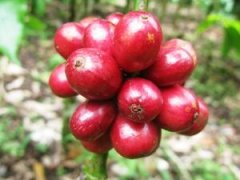
World coffee producing countries introduce African producing countries
African producing countries 1. Ethiopia Ethiopia Ethiopian coffee is neither strong nor irritating. It is produced in Harald (Harrar), Yega Xuefei (Yirgacheffe), Sidamo (Sidamo), Limu (Limu), Djimmah (Djimmah), Lekempti (Kepa), Kapa and other places. Among them, Harald coffee is the substitute of Ethiopian coffee.
2015-04-23 World Coffee producer introduction Africa Ethiopia E
Brazilian Santos
The name of Brazilian coffee: Brazil Santos 2 mentions Brazilian coffee, the most famous of which is Brazil Santos, which is called Brazil Bourbon Santos when raw coffee beans are Arabica bourbon. Santos is generally translated as Sandos and Santos in Chinese. Santos is located in the state of Sao Paulo, Brazil, a seaport city, from the state capital of Sao Paulo (Sao Pa)
2014-09-03 Brazilian Santos
Panamanian coffee variety Panamanian coffee tree
The main origin of Panamanian coffee. These unique coffees are grown in nutritious and balanced land located in the Baru volcano region. Panamanian Coffee country Panamanian Coffee growing Environment Panama is a small country located in the center of the American continent. The waters of the Atlantic and Pacific oceans flood its beaches. Bana
2016-05-29 Panama coffee variety endemic main origin these just
14-3 African producers introduced by the world coffee producers
African producing countries 1. Ethiopia Ethiopia Ethiopian coffee is neither strong nor irritating. It is produced in Harald (Harrar), Yega Xuefei (Yirgacheffe), Sidamo (Sidamo), Limu (Limu), Djimmah (Djimmah), Lekempti (Kepa), Kapa and other places. Among them, Harald coffee is the substitute of Ethiopian coffee.
2014-08-29 World coffee producing countries African producing countries
Cuban amber coffee beans Cuban Crystal Mountain coffee beans
Cubita is Cuban coffee, which is mainly exported to Japan, France, Germany, Ireland, Canada and other countries. The cubita coffee entering the Chinese market is all selected from the pollution-free Crystal Mountain coffee beans in the high altitude areas of Cuba, which is a typical Caribbean coffee bean. All the granules of coffee beans are strictly selected according to the standard of sieve 17-19, and the selected coffee beans have large particles and high maturity.
2015-04-17 Cuba Amber Coffee beans Crystal Mountain Cubita Coffee Export
African producers introduced by coffee producers in the world
African producing countries 1. Ethiopia Ethiopia Ethiopian coffee is neither strong nor irritating. It is produced in Harald (Harrar), Yega Xuefei (Yirgacheffe), Sidamo (Sidamo), Limu (Limu), Djimmah (Djimmah), Lekempti (Kepa), Kapa and other places. Among them, Harald coffee is the substitute of Ethiopian coffee.
2015-10-19 World Coffee producer introduction Africa Ethiopia E
The most famous boutique coffee beans in Crystal Mountain, Cuba
Cubita is Cuban coffee, which is mainly exported to Japan, France, Germany, Ireland, Canada and other countries. The cubita coffee entering the Chinese market is all selected from the pollution-free Crystal Mountain coffee beans in the high altitude areas of Cuba, which is a typical Caribbean coffee bean. All the granules of coffee beans are strictly selected according to the standard of sieve 17-19, and the selected coffee beans have large particles and high maturity.
2014-09-18 Boutique coffee beans Cuban Crystal Mountain coffee beans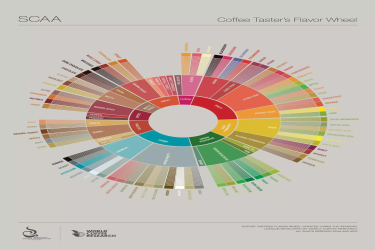
Talk about coffee flavor wheel basic knowledge of coffee culture 2023SCAA coffee flavor wheel high-definition map
Friends who love boutique coffee should be no stranger to this SCAA flavor wheel, but many say they don't understand it, so let's briefly talk about the structure and expression of flavor wheel today! The flavor wheel is divided into the negative taste spectrum on the left and the normal taste spectrum on the right. First, let's talk about the right half of the flavor spectrum.
2023-01-06 Talk about coffee flavor boutique coffee culture basics common sense love coffee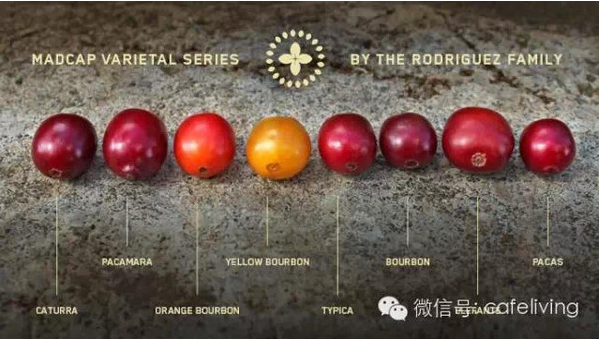
Arrangement of hematemesis among members of Arabica coffee bean family
It has always been a complicated matter to classify coffee genetically. As far as the coffee varieties on the market are concerned, the most superficial classification is of course divided into Arabica and Robusta (hereinafter referred to as radish beans). The difference between Arabica and radish beans can be understood by following Wechat cafeliving's reply to fish balls, and the editor will not repeat them here. Today, let's mainly talk about
2015-05-22 Rabbi coffee beans family members relationships hematemesis sorting
Introduction to the producing area of fine coffee beans in African producing countries
1. Ethiopian Ethiopia Ethiopian coffee is neither strong nor irritating. It is produced in Harald (Harrar), Yega Xuefei (Yirgacheffe), Sidamo (Sidamo), Limu (Limu), Djimmah (Djimmah), Lekempti (Kepa), Kapa and other places. Among them, Harald Coffee is the representative of Ethiopian Coffee.
2015-01-19 Boutique coffee beans Africa producing country origin introduction Ethiopia Ethi
Some thoughts on the first test of Mahlkonig Vario bean grinder
My friend brought back a Mahlkonig Vario from the United States, and I tried a few cups in a hurry, which was really good! Grind on Demand makes my nature more careless, and the coffee lover, which is judged to be king by experience, is not quite suitable. What's more, it reminds me of the advertising slogan of IBM at that time. Westerners' spirit of quantitative research is really admirable, pushing coffee into the abyss of reason.
2014-10-10 Coffee knowledge coffee machine bean grinder
Coffee producing countries in the world introduce coffee bean producing countries in Africa
African producing countries 1. Ethiopia Ethiopia Ethiopian coffee is neither strong nor irritating. It is produced in Harald (Harrar), Yega Xuefei (Yirgacheffe), Sidamo (Sidamo), Limu (Limu), Djimmah (Djimmah), Lekempti (Kepa), Kapa and other places. Among them, Harald coffee is the substitute of Ethiopian coffee.
2015-01-29 World Coffee producer introduction Africa Coffee beans Ethiopia
Boutique Coffee beans: an Analysis of the relationship among members of the Arabica Coffee Bean Family
It has always been a complicated matter to classify coffee genetically. As far as the coffee varieties on the market are concerned, the most superficial classification is of course divided into Arabica and Robusta (hereinafter referred to as radish beans). The difference between Arabica and radish beans can be understood by following Wechat cafeliving's reply to fish balls, and the editor will not repeat them here. Today, let's mainly talk about
2015-12-02 Boutique coffee beans rabbi family members relationships carding
Panamanian coffee growing environment
The microclimate of the Panamanian highlands is the most important resource that makes Panamanian coffee unique. The most important resource that makes Panamanian coffee unique is its microclimate. The east-west environment of the Republic of Panama allows cold air to flow through the Central Mountains and converge above 6500 feet, creating a variety of microclimates in the Boquete and Volcn Candela regions.
2016-05-25 Panama coffee planting environment highlands with microclimate unique

What's wrong with cross-border marketing of western coffee restaurants?
A unique style of zoo cafe. (photo by Cheng Wendi) it is no longer a strange thing for food and beverage to play cross-border. In recent years, with the great changes in the catering industry, traditional and fashionable coffee and western food have embarked on many unique paths in the continuous exploration. Is cross-border catering an inevitable trend? The reporter made an observation recently. Venue: West Fortune Square Zoo Cafe Features: coffee
2015-08-03 Coffee western restaurant cross-border marketing why not
Coffee export Alida Manor Sun Coffee Plantation Manor
Boutique coffee (specialty coffee) is also called specialty coffee selection coffee. It refers to coffee made from a small number of raw beans with excellent taste grown in an ideal geographical environment. Depending on the special soil and climatic conditions in which they grow, they have outstanding flavor. After strict selection and classification, this kind of coffee is hard in texture, rich in taste and stylish.
2016-06-16 Coffee export Lida manor sun plantation
Panamanian coffee origin Panamanian coffee processing
The microclimate of the Panamanian highlands is the most important resource that makes Panamanian coffee unique. The most important resource that makes Panamanian coffee unique is its microclimate. The east-west environment of the Republic of Panama allows cold air to flow through the Central Mountains and converge above 6500 feet, creating a variety of microclimates in the Boquete and Volcn Candela regions.
2016-05-27 Panama Coffee Origin treatment way Highlands have microclimate